by Alexina Wages
I’m sure your first question is, “what on earth is keyhole gardening?” And I would reply with far too much enthusiasm: “a great way to maximize your garden’s productivity in a natural and sustainable way!” And it’s precisely that.
This practice originated in Lesotho, South Africa in the 1990s, where the arid climate, extreme drought, and poor soil conditions made gardening a challenge. Ideally, the “keyhole” is your source of nutrients – the compost that will nourish your entire garden. Another major factor is placement of said “keyhole”.
When designing your garden, a horseshoe like shape is most desired when attempting this method. Towards the middle of the bed, the ideal practice is to have the compost mounded above the level of the soil in the bed, allowing the nutrients to naturally spread throughout the declining angles of your garden. You could say it’s the KEY to unlocking fantastic produce!
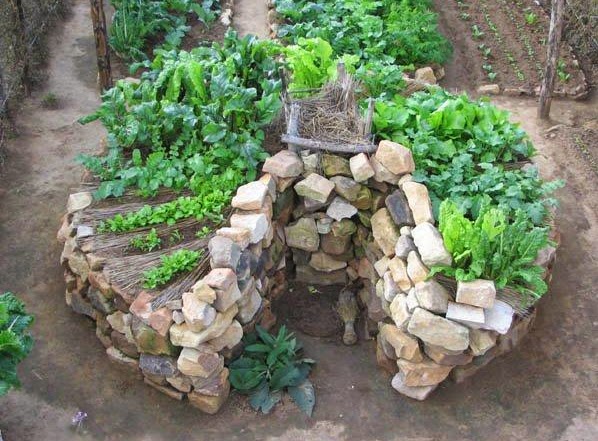
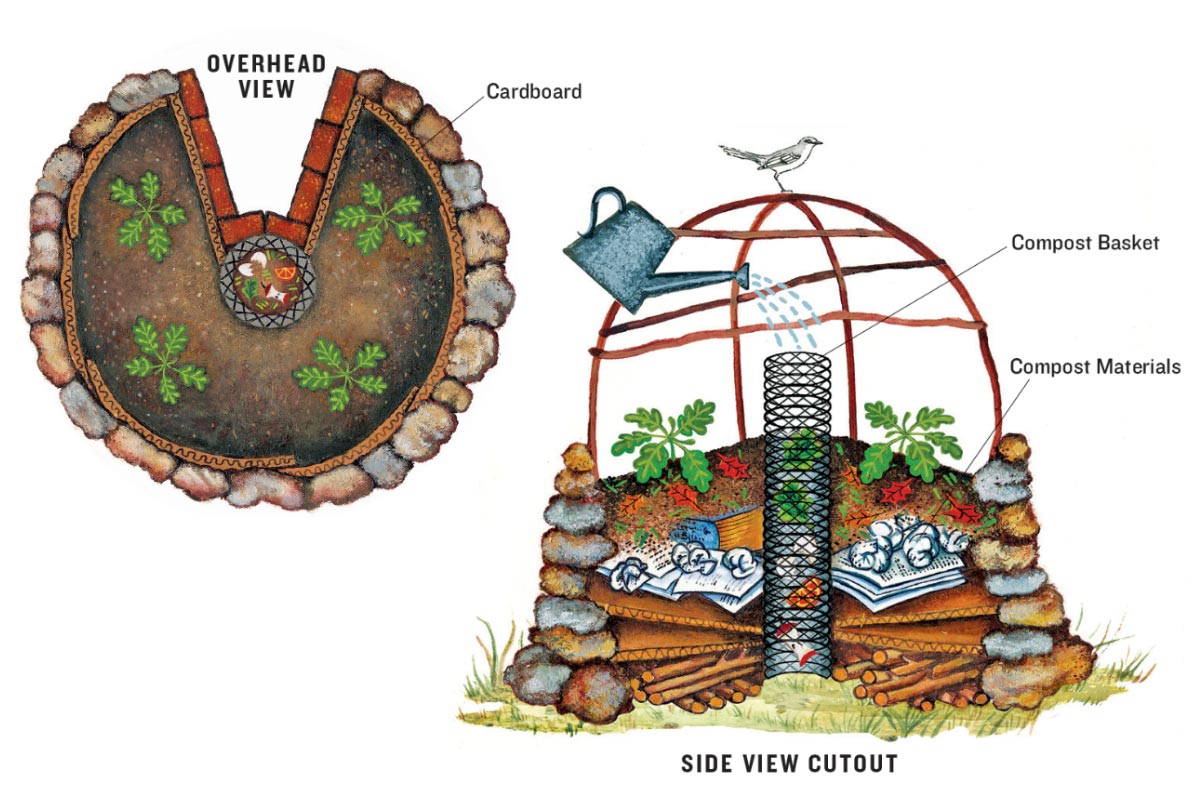

“But how am I supposed to build a horseshoe shaped garden bed?”
With whatever you have available! Since this style of gardening originated in Lesotho – even trash was used! Many methods have included brick, logs, or even broken concrete has been used before! Truly, it can be whatever your imagination can come up with that will help hold the shape of the soil.
For my own personal design, I’ll be using recycled and free materials. I’m also going to be using chicken wire to create a “cage” for my keyhole. Any permeable material can be used. This helps the compost leech out, feeding the surrounding soil.
How does this method hold up compared to an average, above ground garden bed? We’re about to find out! I have a few traditional garden beds already and will be experimenting with keyhole farming side by side. This method will have continuous updates along with pros and cons that may appear along the journey!
Happy growing!

Secretary
Adventurer’s Respite
 Adventurer's Respite